
Climate
|
|||
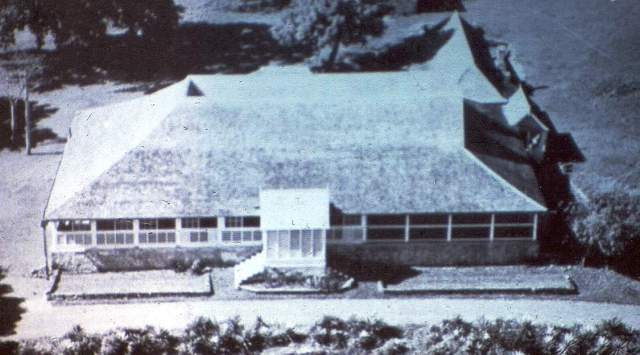 |
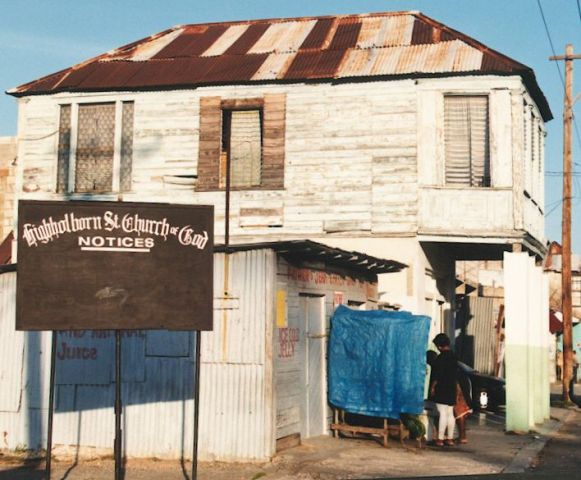
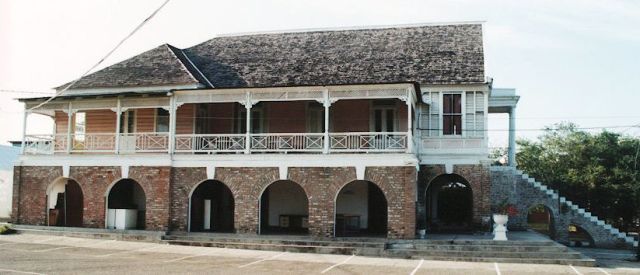
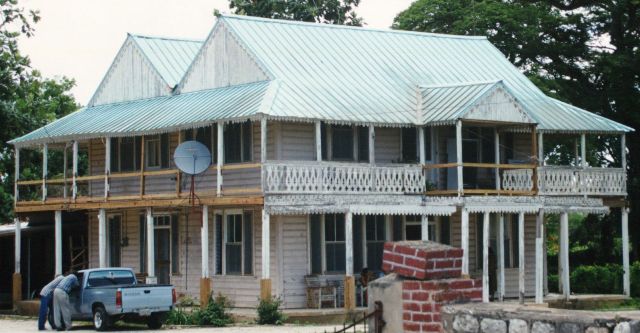
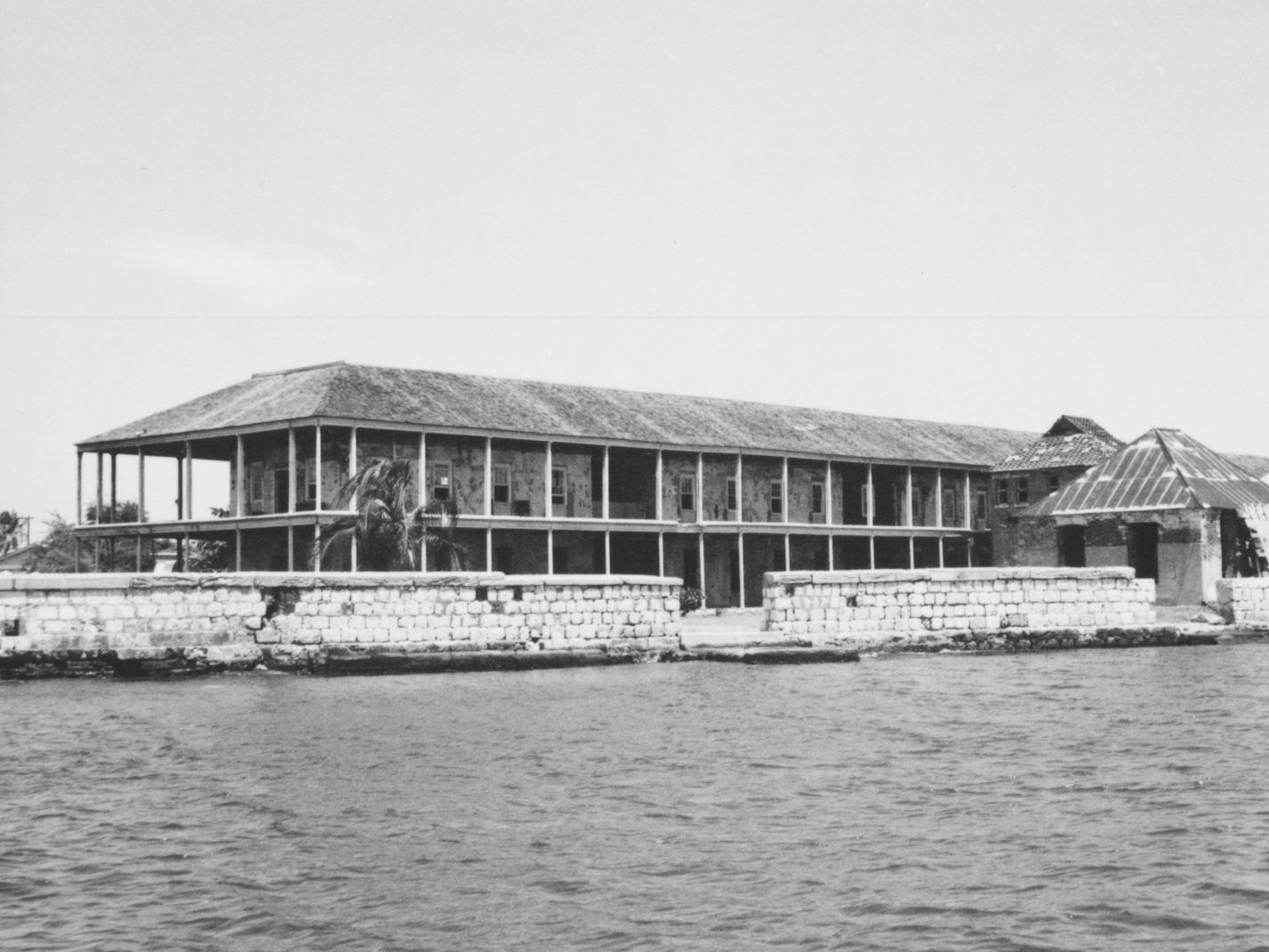
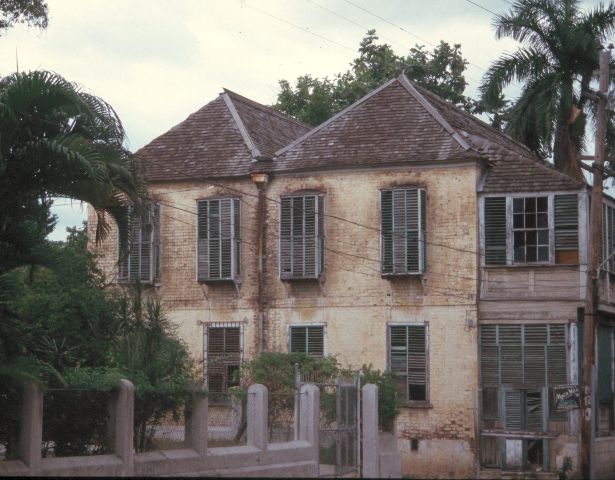
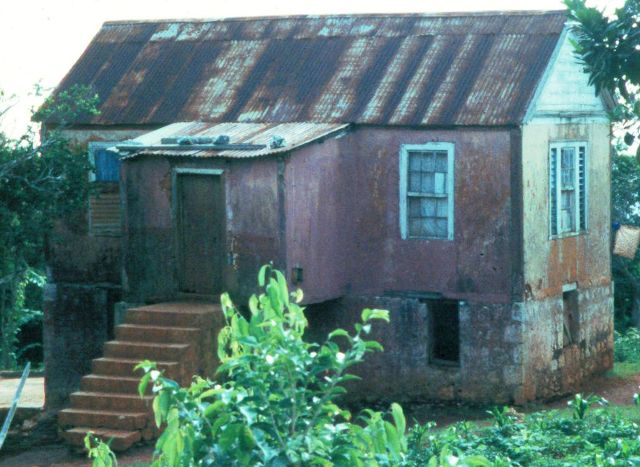
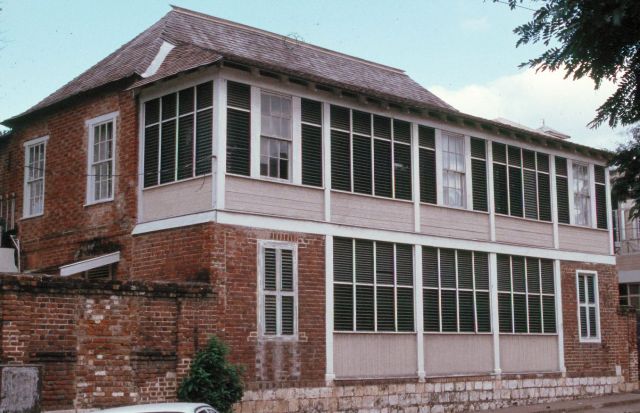
Climate is one opportunity that has been systematically overlooked for its philosophical possibilities. We have had the phenomenology of place. But we have not, except as a corollary to place, arrived at a phenomenology of climate. Climate is often dismissed as a thing that one has to learn about in first year. Many pay homage to the word and forget what it means. Climate, like the everyday, is philosophically the most profound instrument of design. It is the determinant of our way of being and thus productive of our identity with all its signifiers: clothes, gestures, you name it. Climate sets the scene and animates the imagination. Climate has determined the colour of our skin; it confronts us with everyday realities, which have the most pervasive and profound effect on our mode of being in the world. It needs its agenda theorised. Not merely as “shelter”, which implies a rather simple turning away from the elements, but in the way that climate modulates the relationship between the inside and the outside, plays with that relationship, puts us back as human-beings-who-are-part-of-the-world. In some countries climate allows architecture to relinquish shelter as a primary concern and instead architecture extends well into the invisible and religious ordering of the landscape: the “architecture” of the cosmos, it makes the landscape come alive. The aboriginal communities of Australia are a good example of such an ordering of the landscape. The most evocative generators of form in architecture are habit, available materials, climate and the landscape. The truism goes that the British and the Dutch, unlike the Spanish colonisers, had no indigenous tradition for building in hot climates. The colonisers of Jamaica later adopted the wide wraparound verandas and comfortable lay-out of the Indian bungalow. Using Afro-Caribbean craftsmen, the Anglo-Jamaican veranda developed its own beautifully understated language of fretwork carving, allied to the decorative patterns of West Africa. Fretwork itself is a universal phenomenon, its function is to filter the light and diminish the glare and heat of the sun, to scatter the beams of light to play upon the imagination. It works. Jamaican fretwork captures the appeal in African Art, where images are not to reproduce reality itself for reference but to represent that reality as hieroglyphs of a more spiritual concern. The Jamaican house is a piece of literature. The lack of eaves in many Caribbean late eighteenth- and nineteenth-century buildings give them a unique formal quality. The eaves were left off to give the roof more of a chance of surviving a hurricane. In so doing, the relationship of the building volume to the roof is given a clarity it rarely has elsewhere, reducing the geometry to the simplest and therefore most dramatic confrontation between two forms: the roof and the square proportions of the building volume. It is that clarity of volume and contrast, which makes the setting of Jamaican buildings within the landscape so dramatic. The relationship of the building with the landscape begins with the way Jamaican buildings meet the ground. They are either set against a hill or upon flat land, which may be prone to flooding. The base or plinth of the building in both cases takes on a large and important role within the composition. When set against a hill, the plinth heightens the contrast in the bright colours and simple volumes of the house itself placed within the glorious theatre of the surrounding landscape. When set upon flat land and lifted above ground, the building mass is separated from the land by a dark shadowy area, which gives to the building an emphasis not unlike the underlined word. |
||
 |
|||
 |
|||
 |
|||
 |
|||
 |
|||
 |
|||
 |
|||
Contact me at: jacob@voorthuis.net
copyright © jacob voorthuis 1994-2011
All written material on this page is copyrighted.
Please cite Jacob Voorthuis as the author and Voorthuis.net as the publisher.